
South China Sea Aggression

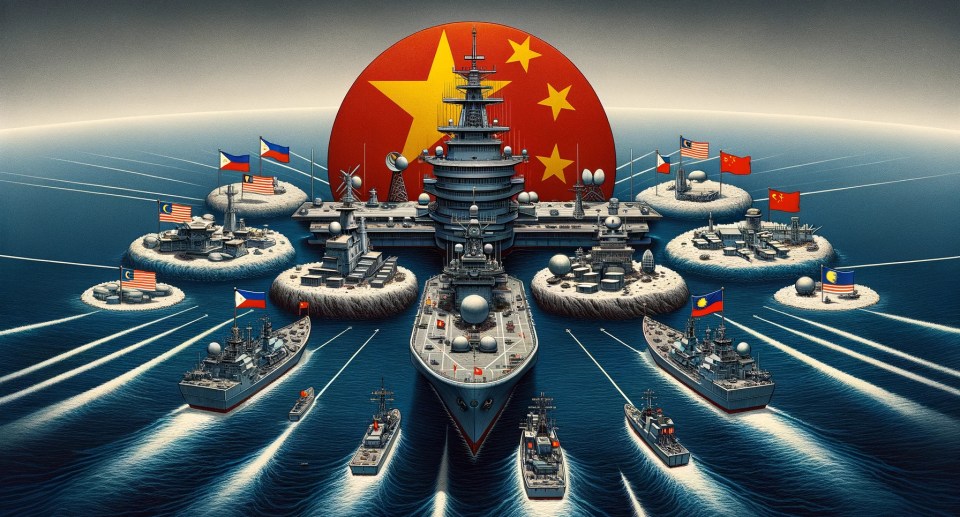
The People’s Republic of China (PRC) has accused the Philippines of violating supposedly secret, informal agreements regarding the Second Thomas Shoal since 2016, as part of a broader campaign to assert control over the area and depict the Philippines as aggressive and uncooperative. The PRC claims that former Philippine President Rodrigo Duterte and Chinese President Xi Jinping reached a “temporary special arrangement” in 2016, which included stipulations on fishing access and restrictions on military and construction activities near the shoal. Claims which the Philippines have repeatedly denied. The PRC further alleges additional unspecified agreements in 2021 and a “new model” agreement in early 2024, both allegedly violated by the Philippines.

Philippine leaders, including Duterte and current President Ferdinand Marcos Jr., deny the existence of these agreements. They assert that any alleged agreements are illegitimate and were never publicly disclosed or approved by Philippine officials. The Philippine Department of Foreign Affairs and other high-level officials have also denied any such agreements with China regarding the Second Thomas Shoal.
Historical Context of Territorial Claims in the South China Sea:
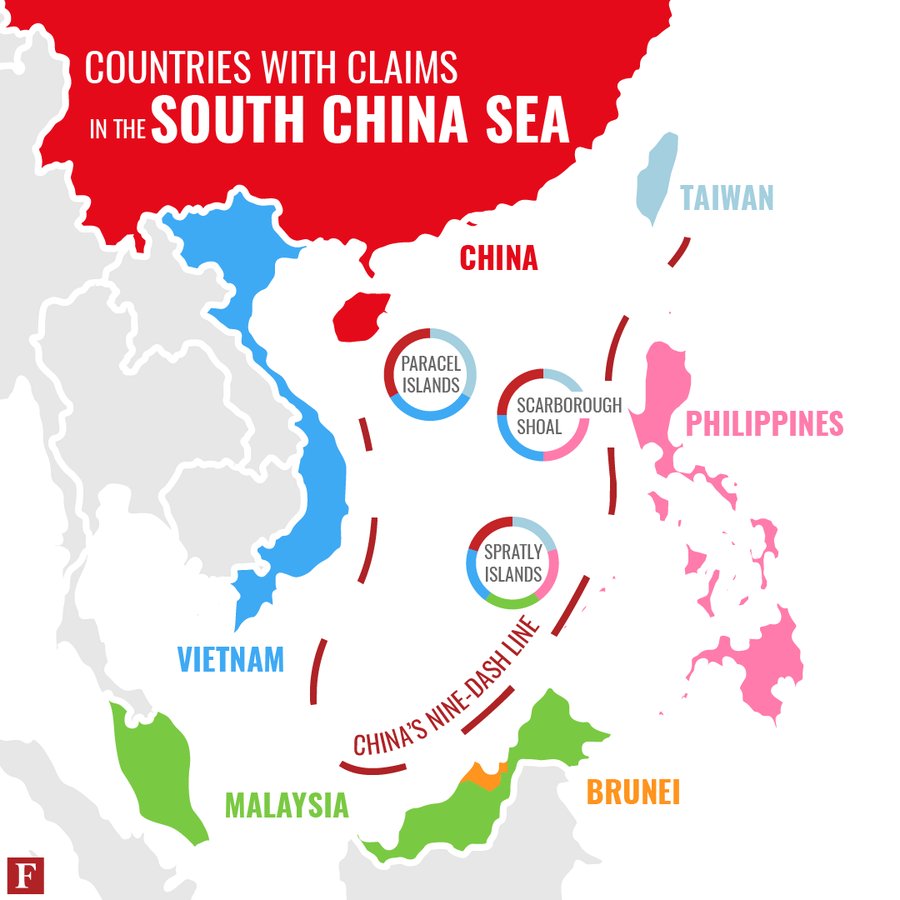
The South China Sea has long been a region of complex territorial disputes involving multiple countries, each claiming various islands, shoals, and reefs. The primary claimants include China, the Philippines, Vietnam, Malaysia, Brunei, and Taiwan.
1. China:
– Nine-Dash Line: China claims the majority of the South China Sea based on the “nine-dash line,” a demarcation line it drew in the 1940s. This claim encompasses almost 90% of the sea, including areas close to the coastlines of other countries.
– Historical Basis: China bases its claims on historical maps and records, asserting continuous usage and administration of the islands and waters within the nine-dash line.
2. Philippines:
– Exclusive Economic Zone (EEZ): The Philippines claims parts of the South China Sea, including the Second Thomas Shoal (known as Ayungin Shoal in the Philippines), based on its EEZ under the United Nations Convention on the Law of the Sea (UNCLOS).
– Arbitration Case: In 2016, the Philippines won an arbitration case at The Hague, which ruled that China’s nine-dash line claims had no legal basis. China, however, rejected the ruling.

3. Vietnam:
– Paracel and Spratly Islands: Vietnam claims the Paracel and Spratly Islands, citing historical sovereignty and economic usage.
– Conflicts: Vietnam has had numerous clashes with China over these islands, particularly the Paracels, which China occupies.
4. Malaysia:
– Spratly Islands: Malaysia claims several islands in the southern part of the Spratly archipelago, based on its continental shelf and EEZ.
– Economic Activities: Malaysia has conducted oil exploration and development in these areas.
5. Brunei:
– EEZ Claims: Brunei claims a part of the South China Sea nearest to its shores based on its EEZ. Brunei’s claims are among the smallest and least contested.
6. Taiwan:
– Historical Claims: Taiwan’s claims mirror those of China due to their shared historical basis. Taiwan occupies the largest natural island in the Spratlys, Itu Aba.

Current Tensions:
The current tensions in the South China Sea revolve around the strategic and economic importance of the region. It is rich in fisheries, potential oil and gas reserves, and holds critical shipping lanes. China’s construction of artificial islands and militarization of the region has further heightened tensions. The United States and other Western nations advocate for freedom of navigation and the rule of international law, often conducting naval operations to challenge excessive maritime claims. China is generally viewed by the international community as the aggressor in these cases, but uses it political influence to garner support for its claims.
China’s actions in the South China Sea have been characterized by assertive and often aggressive measures to consolidate its claims and control over the region. These actions have led to significant tensions with neighboring countries and concerns over regional stability. Here are some key aspects of China’s aggression:
1. Island Building and Militarization:
– Artificial Islands: Since 2013, China has engaged in large-scale land reclamation projects, transforming reefs and atolls into artificial islands. This includes the construction of airstrips, ports, and military facilities on features like Fiery Cross Reef, Subi Reef, and Mischief Reef in the Spratly Islands.

– Military Installations: China has installed radar systems, missile batteries, and other military infrastructure on these artificial islands, effectively turning them into forward military bases.
2. Coercion and Harassment:
– **Fishing Fleets and Maritime Militia**: China uses its fishing fleets and maritime militia to assert its presence and harass the vessels of other claimant countries. These fleets often operate under the protection of the Chinese Coast Guard and naval vessels.
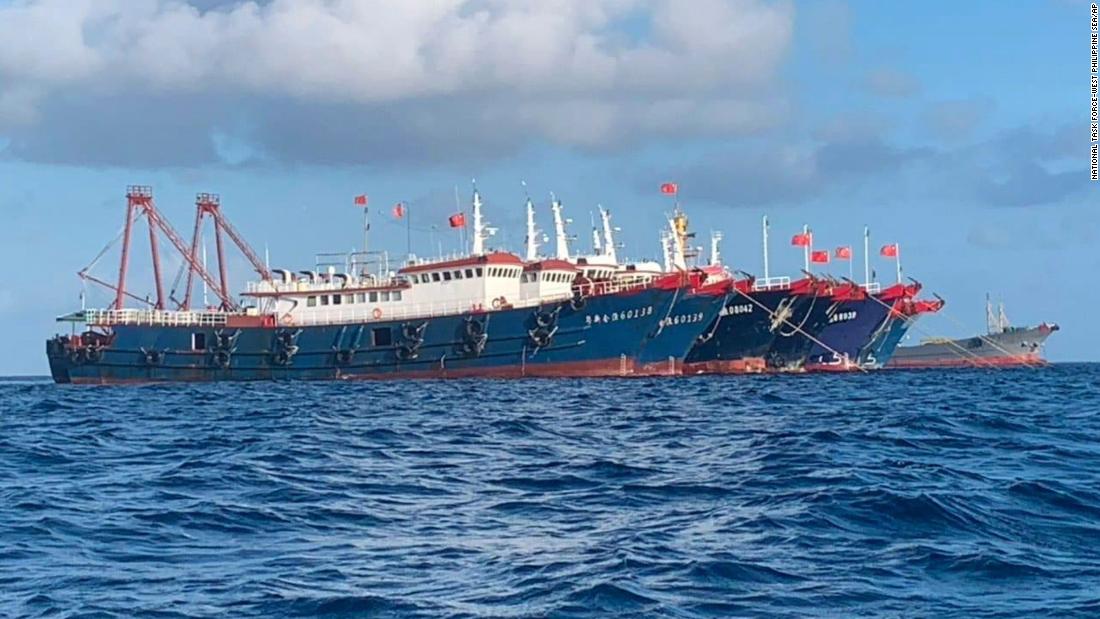
– Coast Guard Activities: The Chinese Coast Guard has been involved in numerous incidents of ramming, water cannon attacks, and blockades against the fishing and coast guard vessels of Vietnam, the Philippines, and other countries.

3. Economic and Resource Exploitation:
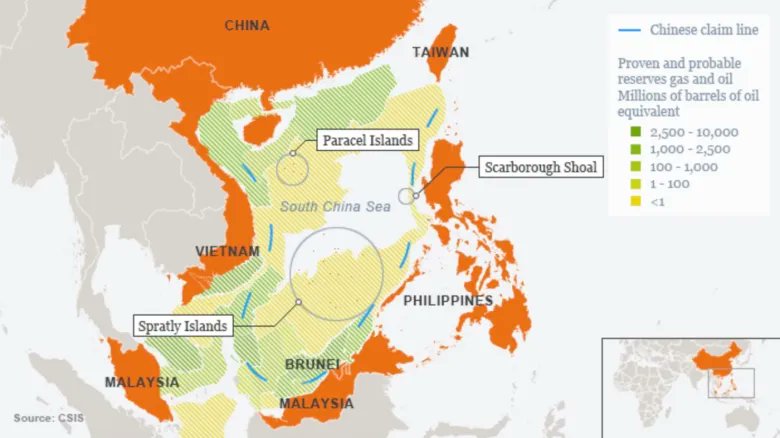
– Oil and Gas Exploration: China has conducted unilateral oil and gas exploration activities in contested waters, often in areas within the EEZs of other countries. This includes the deployment of oil rigs and survey vessels in areas claimed by Vietnam and the Philippines.
– Fishing: Chinese fishing activities in contested waters have depleted fish stocks and disrupted the livelihoods of local fishermen from other claimant countries.

4. Legal and Diplomatic Maneuvers:
– Rejection of International Rulings: China has rejected the 2016 ruling by the Permanent Court of Arbitration in The Hague, which invalidated its nine-dash line claims. China continues to assert its historical rights over the majority of the South China Sea despite the ruling.
– Diplomatic Pressure: China uses its economic and political influence to pressure ASEAN countries and other nations to acquiesce to its claims and downplay disputes.

5. Military Exercises and Patrols:
– Naval Drills: China conducts regular naval exercises in the South China Sea, demonstrating its military capabilities and reinforcing its territorial claims. These exercises often involve live-fire drills and the presence of advanced warships and aircraft.
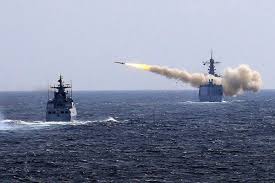
– Air Patrols: The Chinese Air Force conducts frequent patrols over contested areas, including flyovers by fighter jets and reconnaissance aircraft.

6. Specific Incidents:
– Scarborough Shoal Standoff (2012): A prolonged standoff between Chinese and Philippine vessels at Scarborough Shoal ended with China taking de facto control of the shoal, which is within the Philippines’ EEZ.

– Second Thomas Shoal (Ayungin Shoal): Chinese vessels have repeatedly harassed and blocked resupply missions to the Philippine military outpost on the grounded BRP Sierra Madre at Second Thomas Shoal.

– Paracel Islands Conflict: China forcibly took control of the Paracel Islands from South Vietnam in 1974 and has since militarized the islands, leading to ongoing disputes with Vietnam.

Regional and Global Implications
China’s aggressive actions in the South China Sea have significant regional and global implications:
– Regional Tensions: China’s actions have heightened tensions with neighboring countries, leading to increased militarization and potential flashpoints for conflict.
– Freedom of Navigation: The South China Sea is a crucial maritime route, with significant global trade passing through it. China’s territorial claims threaten freedom of navigation, prompting the United States and other countries to conduct freedom of navigation operations (FONOPs) to challenge excessive claims.

– US-China Rivalry: The South China Sea has become a focal point in the broader strategic rivalry between the United States and China, with both sides increasing their military presence and diplomatic efforts in the region.
– ASEAN Unity: China’s actions have tested the unity of ASEAN, as member states have differing levels of dependence on China and varying responses to the disputes.
China’s aggressive actions in the South China Sea, including island building, militarization, and coercive tactics, have exacerbated regional tensions and raised significant concerns about the stability and security of this vital maritime region.

